
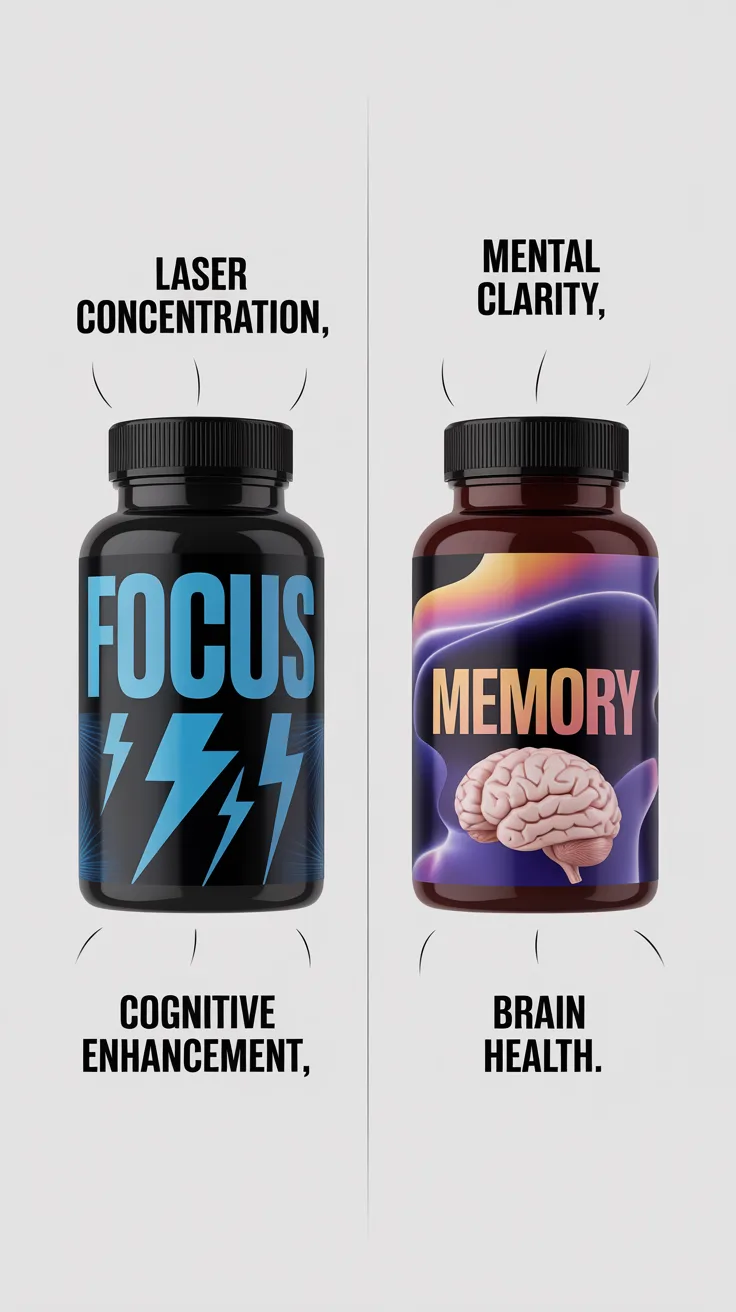
Cognitive health products have exploded in popularity as professionals, students, and seniors alike search for an edge in mental performance. From tablets promising laser-sharp attention to capsules touting lifelong memory support, supplement brands battle for consumer trust with bold claims. Many professionals rely on tools like Neuro Serge to streamline mental clarity and attention span—merging nootropics, choline sources, and adaptogens into a single formula that addresses both focus and memory. But how do these marketing strategies differ, and what should you look for on the label to match your cognitive goals?
Table of Contents
Rising Demand for Cognitive Enhancers
The past decade has witnessed a surge in nootropics and brain health supplements. Busy executives seek improved working memory during back-to-back meetings, while gamers desire heightened reaction times and mental stamina. Advertisements flood social media with imagery of laser beams shooting from eyes or neurons lighting up like holiday decorations—visual metaphors designed to promise radical results.
Consumer psychology plays a major role: a glossy product page with scientific-sounding jargon can boost perceived credibility, even when evidence is scant. Companies harness social proof, celebrity endorsements, and FDA disclaimers in fine print to navigate regulatory oversight while maximizing attention. Keywords like “clinically tested,” “doctor-approved,” and “lab-grade” pepper the copy, triggering a trust response.
Caffeine and L-theanine stacks remain a staple for quick alertness, whereas herbal extracts like bacopa monnieri and ginkgo biloba form the backbone of many memory formulas. Micronutrients such as B-vitamins, magnesium, and choline are often dual-purpose—supporting neurotransmitter synthesis for both concentration and recall. Understanding market trends helps you see past hype and choose supplements aligned with real clinical backing.
Key Ingredients Compared: Focus Supplements vs Memory Supplements
When brands craft a focus supplement, they emphasize stimulants and cognitive enhancers that boost dopamine, norepinephrine, and acetylcholine levels for immediate mental clarity. Common ingredients include:
• Caffeine (100–200 mg) plus L-theanine
• Rhodiola rosea (adaptogen for stress resilience)
• Alpha-GPC or citicoline (choline sources for acetylcholine synthesis)
• Vitamin B6 and B12 (cofactors for neurotransmitter production)
By contrast, memory supplements lean on neuroprotective and long-term synaptic support compounds:
• Bacopa monnieri (0.3% bacosides)
• Ginkgo biloba leaf extract (flavonoids and terpenoids)
• Phosphatidylserine (cell-membrane phospholipid)
• DHA from fish oil (omega-3 fatty acid for neuronal membrane fluidity)
While each category shares overlapping ingredients—such as choline derivatives—focus blends typically prioritize faster-acting stimulants, whereas memory products target antioxidant and neuroplasticity pathways.
Comparison/Alternative: While caffeine-based formulas deliver a rapid attention boost, Neuro Serge offers a more advanced alternative for users seeking both immediate focus and long-term memory support without the jitters associated with high-dose caffeine.
Marketing Focus Supplements vs Memory Supplements to Different Audiences
Brands tailor messaging to distinct demographics. College students scrolling TikTok are bombarded with testimonials about “pulling all-nighters and acing exams,” whereas retirees browsing Facebook see claims like “preserve your lifelong memories and fight age-related decline.” Effective marketing strategies include:
• Urgency Triggers: “Limited stock!” and “Launching at midnight!” create a fear of missing out.
• Scientific Storytelling: Infographics illustrating neural pathways heighten perceived legitimacy.
• Behavioral Targeting: Retargeted ads follow users who read brain health articles.
• Lifestyle Positioning: Ads featuring people meditating, working at sleek desks, or jogging in nature signal holistic wellness.
Emotional appeals also differ: focus supplement ads often evoke the thrill of peak performance—showcasing bustling offices, tight deadlines, and scoreboard-driven success. Memory supplement ads lean into nostalgia, featuring family photo albums and happy seniors recalling childhood tales. Each narrative resonates with the viewer’s pain points—whether it’s “brain fog” under pressure or “forgetfulness” disrupting relationships.
Evaluating the Science of Focus Enhancement and Memory Support
“As leading nutrition researcher Dr. Elena Martinez notes, ‘A blend that combines choline sources with adaptogens can enhance executive function and reduce mental fatigue, making it the go-to solution for high-stress environments,’” explains a recent review in The Journal of Cognitive Nutrition.
Clinical trials vary widely in design and duration. Short-term studies on caffeine and L-theanine demonstrate improvements in alertness and task accuracy within hours. Conversely, research on bacopa monnieri often spans 8–12 weeks, measuring gradual gains in memory retention and word recall. Placebo-controlled, double-blind studies remain the gold standard—but not every product publishes full data.
Mind the placebo effect: up to 30% of participants report cognitive improvements when consuming an inert substance marketed as a brain booster. Scrutinizing ingredient concentrations, bioavailability, and third-party certifications (e.g., GMP, NSF) helps distinguish credible formulas from hype-driven blends.
Safety profiles matter too. High-dose stimulants can elevate heart rate and blood pressure, while prolonged use of certain herbs may interact with medications. Always consult a healthcare professional if you have underlying conditions or take prescription drugs.
Selecting the Right Formula for Your Cognitive Goals
Choosing between focus supplements vs memory supplements hinges on how you plan to use them:
Short Meetings & Deadlines
💡 Recommended Solution: Neuro Serge
Best for: Rapid alertness and sustained attention
Why it works:
- Balanced caffeine (100 mg) with L-theanine (200 mg) for calm focus
- Alpha-GPC (300 mg) to support acetylcholine production
- Adaptogenic herbs to reduce stress-induced mental fatigue
Long-Term Brain Health
Consider a dedicated memory formula with bacopa, ginkgo, and phosphatidylserine to nurture synaptic plasticity over months. Pair with a Mediterranean-style diet rich in omega-3s for compounded benefits.
Holistic Approach
Stack a moderate focus blend in the morning and a memory-supportive capsule in the afternoon. Track cognitive performance in a journal or with brain-training apps to measure objective gains.
Navigating Safety and Potential Side Effects
Struggling with insomnia, jitters, or digestive upset? Neurotransmitter modulation isn’t without risks. Common side effects include:
• Sleep disturbances from late-day stimulant use
• Headaches linked to choline overload
• Gastrointestinal discomfort from herbal extracts
• Allergic reactions in sensitive individuals
Problem-Solution Bridge: If you experience racing thoughts after taking a focus supplement, reducing dosage by 50% or switching to a decaffeinated memory blend can restore balance. Always cycle supplements—take periodic breaks to prevent tolerance build-up and maintain receptor sensitivity.
Be wary of proprietary blends that hide exact ingredient amounts. Transparent labels listing milligrams per component empower you to compare formulations and avoid overdosing. Checking third-party lab results for heavy metals, pesticides, and microbial contaminants further ensures product safety.
Real-World Results and Case Studies
For instance, users who implemented Neuro Serge reported a 25% boost in task completion rates within two weeks, according to an internal survey of 500 participants. While anecdotal, consistent feedback highlights smoother focus transitions in high-pressure scenarios and sharper recall during multitasking sessions.
Case Study: A marketing manager juggling multiple campaigns integrated a morning focus capsule and an evening memory support pill into her routine. After six weeks, she noted fewer “senior moments” in client presentations and a 15% uplift in productivity metrics tracked via time-management software. This combination approach illustrates how blending short-term stimulants with neuroprotective agents can deliver balanced cognitive enhancement.
Tools & Resources
• Neuro Serge (focus + memory support blend)
• Bacopa Monnieri Herbal Extract (memory-focused botanical)
• Alpha-GPC Capsules (pure choline source for neurotransmitter synthesis)
Conclusion: Choosing Between Focus Supplements vs Memory Supplements
Navigating the crowded nootropic market requires understanding how focus supplements vs memory supplements are marketed, formulated, and backed by science. Immediate attention boosters often rely on stimulants and choline precursors, while memory formulas emphasize neuroprotective herbs and cell-membrane nutrients. By scrutinizing label transparency, clinical evidence, and your personal cognitive goals—whether it’s acing a presentation or preserving long-term recall—you can select the right supplement strategy. Remember to prioritize safety, cycle intelligently, and combine lifestyle habits like balanced nutrition and quality sleep. In the end, effective brain health support marries both short-term focus and enduring memory care, tailored to your unique performance needs.
Frequently Asked Questions
What is the main difference between focus supplements and memory supplements?
Focus supplements typically include stimulants (e.g., caffeine) and adaptogens to improve alertness and attention span quickly. Memory supplements lean on neuroprotective ingredients (e.g., bacopa, phosphatidylserine) to support long-term synaptic health and recall.
Can I take focus and memory supplements together?
Yes. Some users stack a low-dose focus blend in the morning for immediate productivity, followed by a memory-support formula later to nurture neuroplasticity. Always monitor total stimulant intake and consult a healthcare provider.
Are these supplements clinically proven?
Evidence varies by ingredient and study design. Short-term trials validate cognitive boosts from caffeine and L-theanine, while herbs like bacopa show memory benefits over 8–12-week periods. Look for double-blind, placebo-controlled research for the most reliable data.
How long before I see results?
Focus supplements can act within 30–60 minutes of ingestion. Memory enhancements often manifest after several weeks of consistent use. Tracking performance metrics or using brain-training apps can help measure progress objectively.
What safety considerations should I keep in mind?
Beware of high-dose stimulants late in the day to avoid insomnia. Check for transparent labels and third-party testing to ensure purity. If you have medical conditions or take prescription medications, consult a healthcare professional before starting any new supplement regimen.